What Thermal Imaging Actually Sees
Real examples of invisible building faults detected instantly using calibrated FLIR infrared thermography.
Your house is bleeding heat. We can see it. Find air leaks, missing insulation, moisture problems, and HVAC issues — then fix them. Same visit.
Straightforward, all-inclusive pricing. Calibrated FLIR infrared thermography to sweep your home for energy loss, moisture intrusion, and electrical hazards.
Complete on-site thermal walkthrough using calibrated FLIR infrared imaging. We sweep exterior walls, doors, windows, attic hatches, rim joists, and your main electrical breaker panel.
Add-Ons & Same-Visit Repairs:
A thermal camera sees what your eyes can't. Here's what turns up in a typical Wisconsin home scan.
Cold and hot spots around windows, doors, and exterior outlets. Air infiltration accounts for up to 20% of energy loss in Wisconsin winters — and most of it is invisible until you point a thermal camera at it.
Gaps in walls and ceilings where insulation settled, shifted, or was never installed to begin with. Older Wisconsin homes (pre-1970s) are goldmines. We've found entire wall bays completely bare.
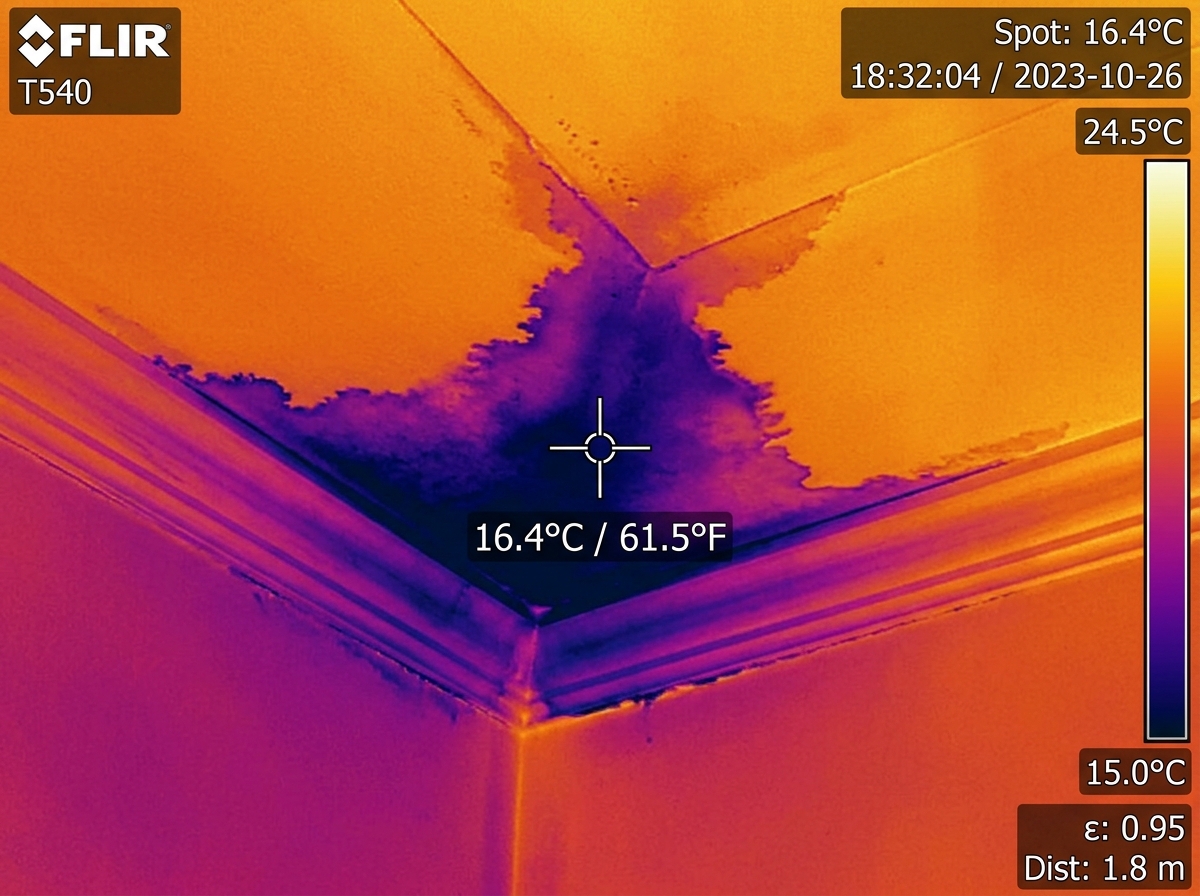
Wet areas before mold develops. Roof leaks, plumbing leaks behind walls, and basement moisture wicking through foundation. Finding it early costs $149. Finding it after the drywall turns black costs a lot more.
Heated air escaping into unconditioned spaces — attics, wall cavities, crawlspaces. Your attic doesn't need heating. Your furnace disagrees. Thermal imaging settles the argument definitively.
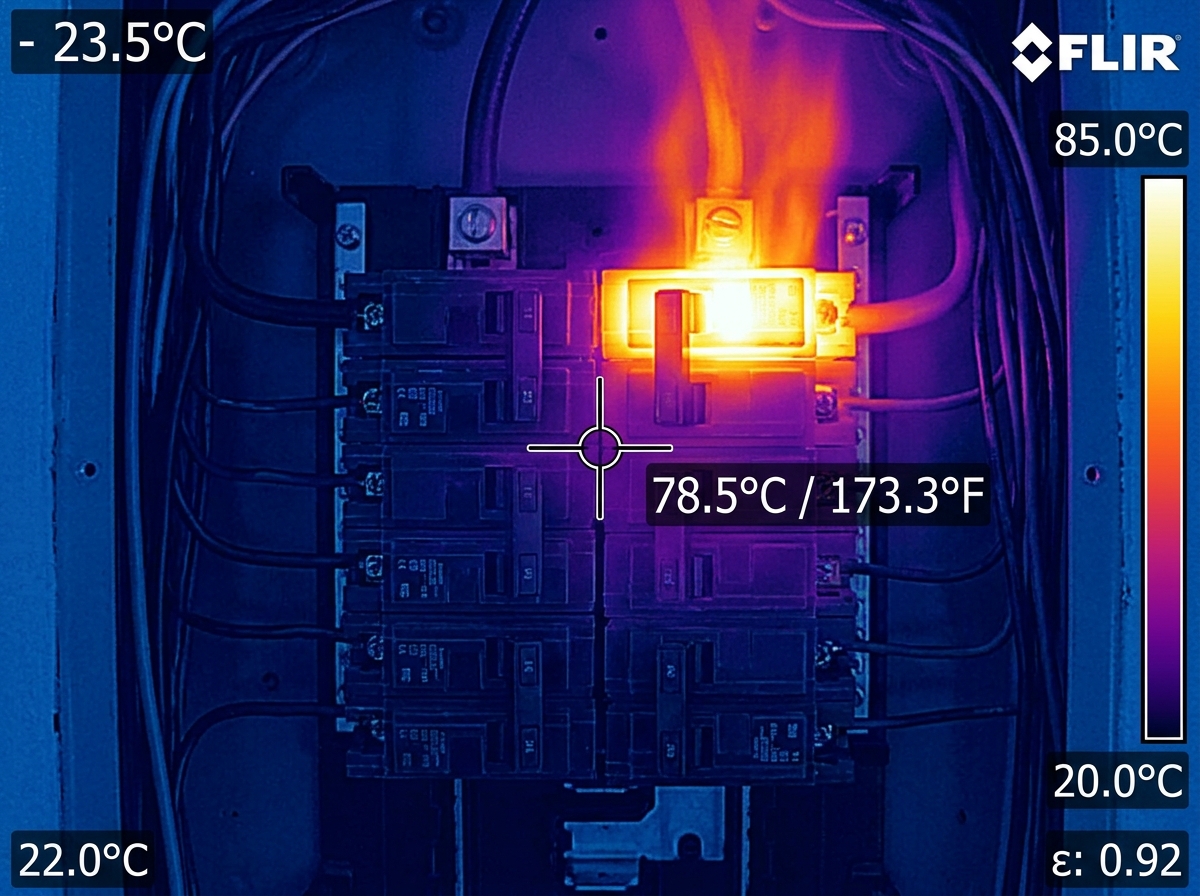
Overloaded circuits and loose connections show up as heat anomalies before they become fire hazards. We find and document them — giving you a clear, documented report to act on before something goes wrong.
Rodent nests displace insulation and create thermal anomalies that are completely invisible to the naked eye. The thermal camera reveals gaps behind walls and in soffits that explain why you keep finding uninvited houseguests.
Real examples of invisible building faults detected instantly using calibrated FLIR infrared thermography.
Energy auditors find problems and write reports. Then you wait weeks for a contractor to schedule a follow-up to give you an estimate to fix the thing you already knew was broken.
We find it. We fix it. Same visit. Before-and-after thermal proof that the fix actually worked.
Most contractors guess. We use science.
The state will pay you to fix your house. Our report helps you apply.
Wisconsin Focus on Energy rebate for professional air sealing work.
For attic insulation upgrades meeting Focus on Energy requirements.
For wall insulation improvements on qualifying Wisconsin homes.
High-Efficiency Electric Home Rebate Act — for income-qualifying households.
Federal tax credit for qualifying energy efficiency improvements.
Don't wait 6 weeks for the free utility assessment. We'll do it this week, start fixing things the same day, and our detailed report with side-by-side thermal images gives you the documentation you need to apply for Focus on Energy rebates on the bigger stuff. You handle the bigger contractor jobs — we'll have already handled everything we can reach with caulk and a foam gun.
The most common questions before people book their first thermal scan.
Most homes have at least one significant air leak, one area of missing insulation, or one issue nobody knew about. We'll find yours — and fix most of them same day.